🚀 Getting started
 Your onboarding guide
 Accessing your Qogita seller accountUnderstand your seller portalGet help from Qogita
📦 List your stock
 Upload and manage your price listSet your minimum order value
 Stock list types
 Keep your stock up to dateResponsible Person requirementsSelling electronics
🚚 Your first order
 Fulfil an order
 Packaging requirements
 Shipping dangerous goods
 Regenerate a shipping label
🇬🇧 Selling to the United Kingdom
 Selling to the UK
 Qogita's legal entity and VAT details
 Customs for parcel shipments from Germany
🇺🇸 Selling from the United States
Selling from the United StatesShip your own orders in the United States💶 Get paid
Request your paymentTrack your paymentInvoices and value-added taxGet your supporting documentsGet help with a payment problem⚖️ Claims
Understand a claimDispute a claimClaim costs and returnsKeep your claim rate low📈 Grow
Seller metricsGrowing your businessBulk pricingSelling pre-ordersEnterprise orders

Shipping dangerous goods
Some everyday products count as dangerous goods because they can be a risk during transport. They may be flammable, under pressure or react with other chemicals. The most common dangerous goods sold on Qogita are perfumes and aerosols. If you sell these, you must ship them as dangerous goods.
Perfumes include eau de parfum, eau de toilette, aftershave and body mist. They contain a lot of alcohol, which makes them flammable. Aerosols include hairspray, dry shampoo and deodorant. They are cans under pressure with flammable gas inside.
How we ship dangerous goods
We ship dangerous goods as ADR Limited Quantity, also called LQ. This is a common standard for moving small amounts of dangerous goods safely by road. The amount in each product is small enough for lighter transport rules, but you must still follow the packing and labelling rules on this page.
Ship with Qogita only uses road transport, never air. Never use IATA markings, which are for air freight.
If any products in your order are dangerous goods, you must declare them in the seller portal, pack them in the right boxes, label every box the right way and attach the documents the portal asks for. If a shipment is not declared and packed correctly, it is returned to you at your cost.
Declare dangerous goods in the seller portal
When you create the shipping label for an order, find Dangerous goods declaration and choose Yes. This lets us tell the carrier that the shipment contains dangerous goods.
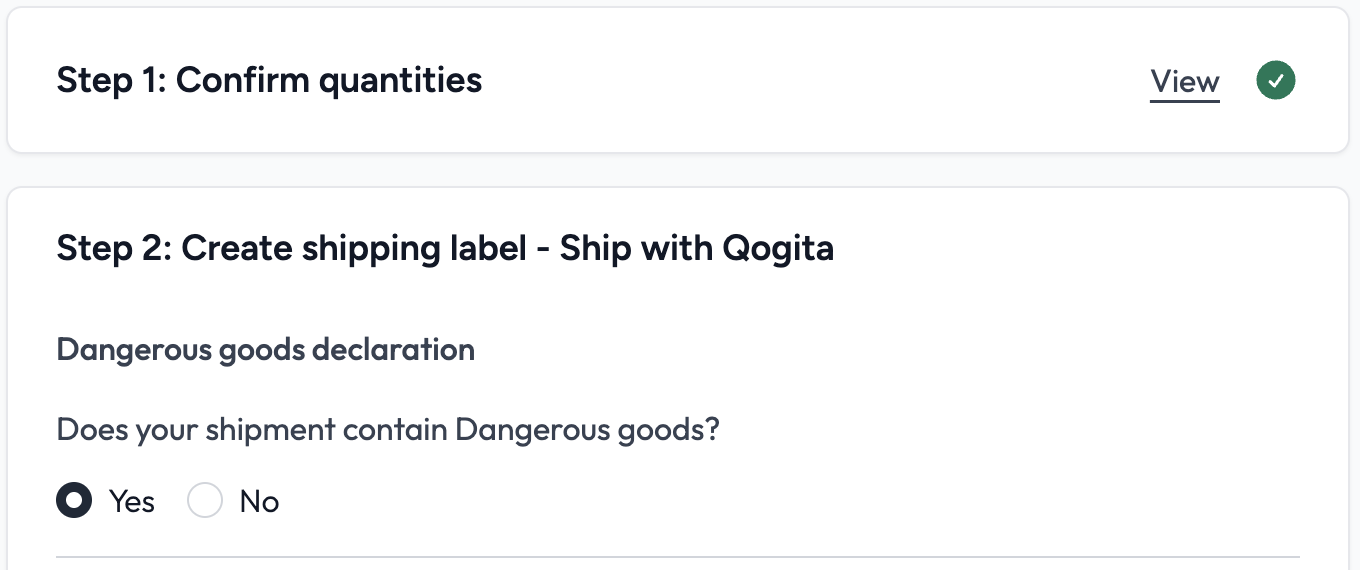
If you choose Yes in the portal but don't mark the boxes, the shipment is returned to you at your cost.
Boxes
Each box with dangerous goods can weigh up to 20 kg. This limit also applies to each box on a pallet. Use new, undamaged, double-walled boxes.
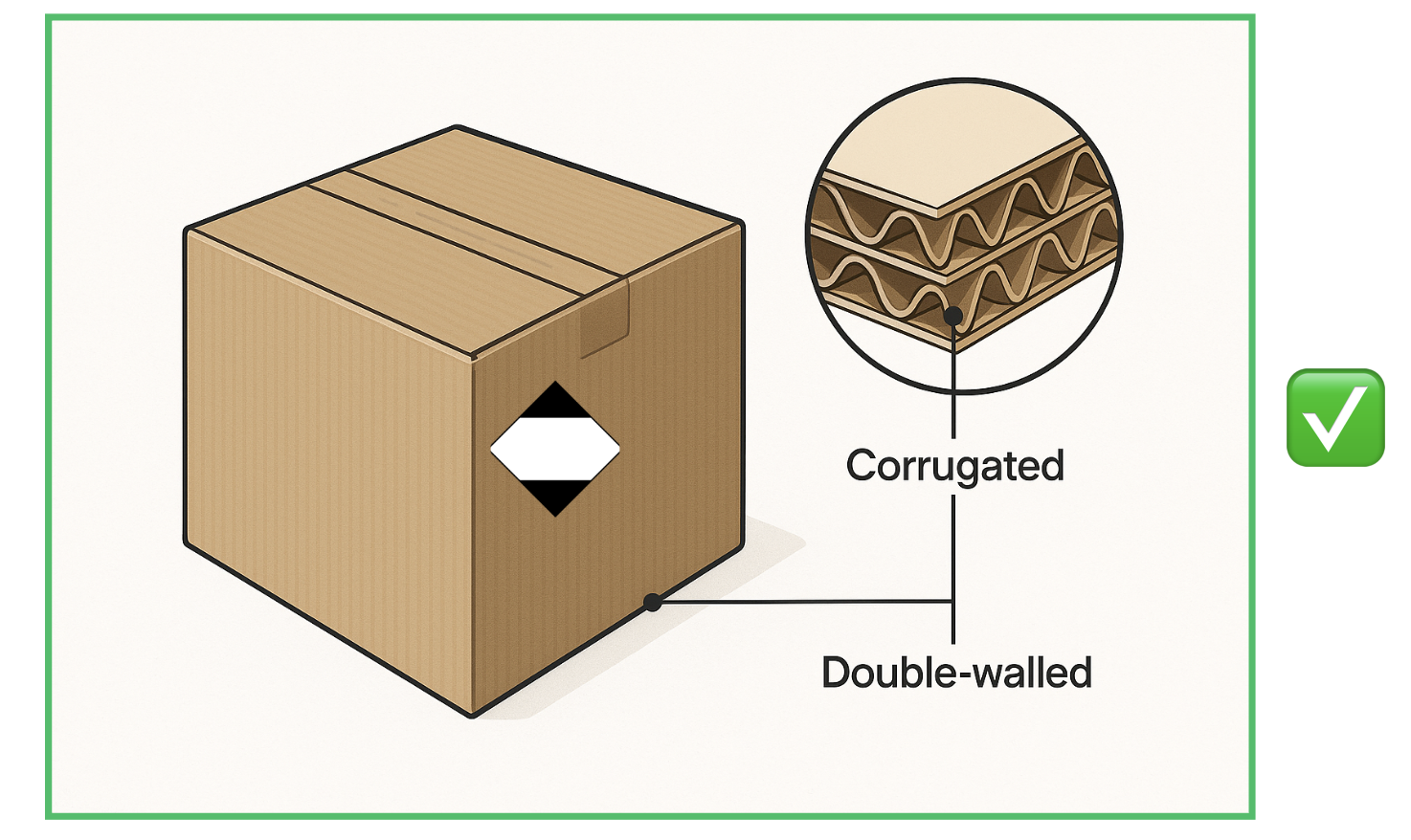
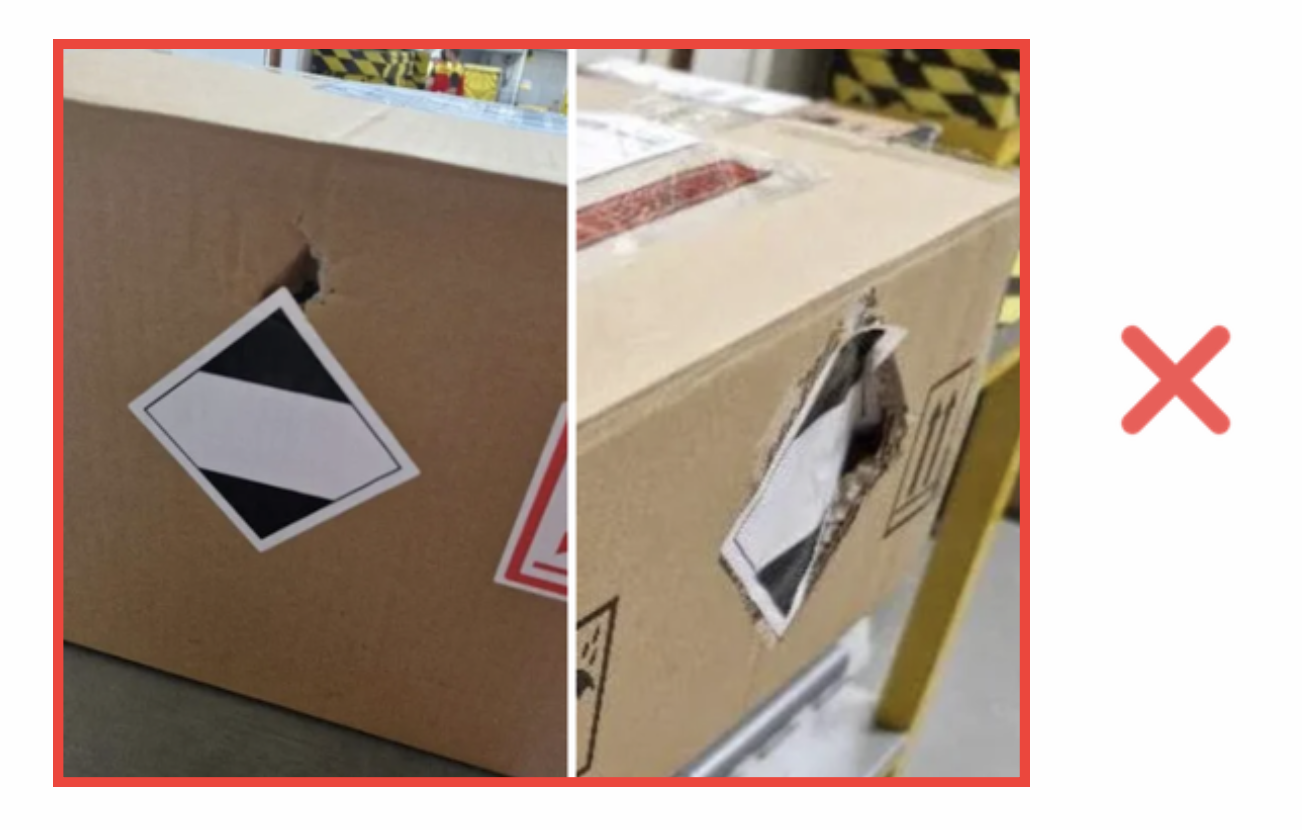
Don't use a box with dangerous goods markings for a shipment without dangerous goods. Even if you cover the markings with tape, the shipment will be delayed or returned.
Labels
Every box with dangerous goods needs two markings, orientation arrows that show which side is up and the Limited Quantity marking.
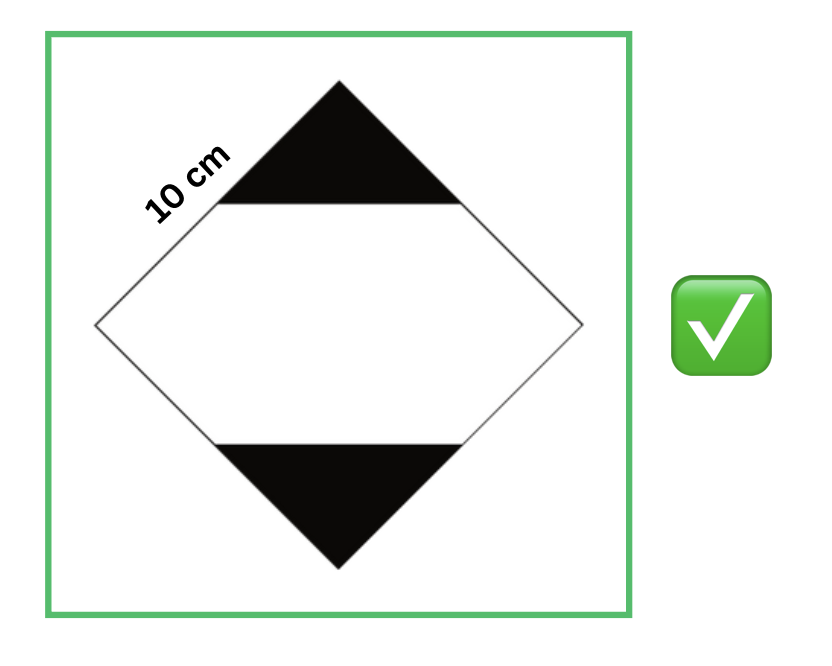
The Limited Quantity marking must be at least 10 cm by 10 cm, with a black border of 2 mm.
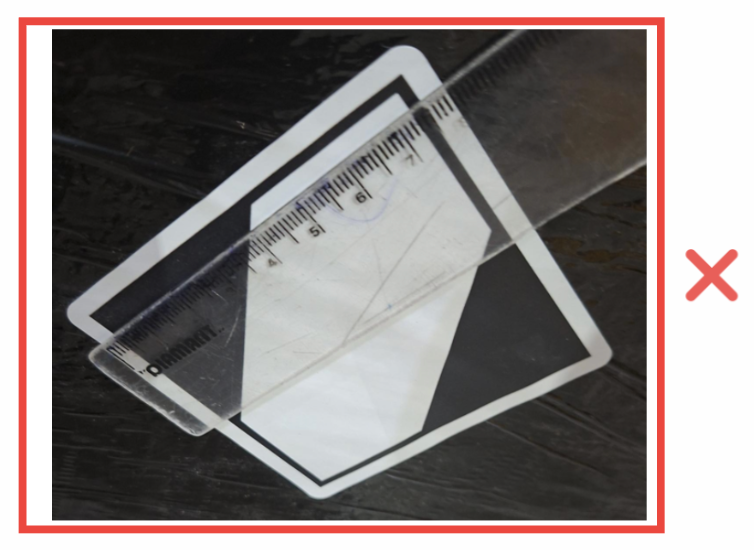
The carrier rejected this package because the marking was only 8 cm by 8 cm.
The marking must be a sticker. Printed paper is rejected, because it can tear or get wet in transit.
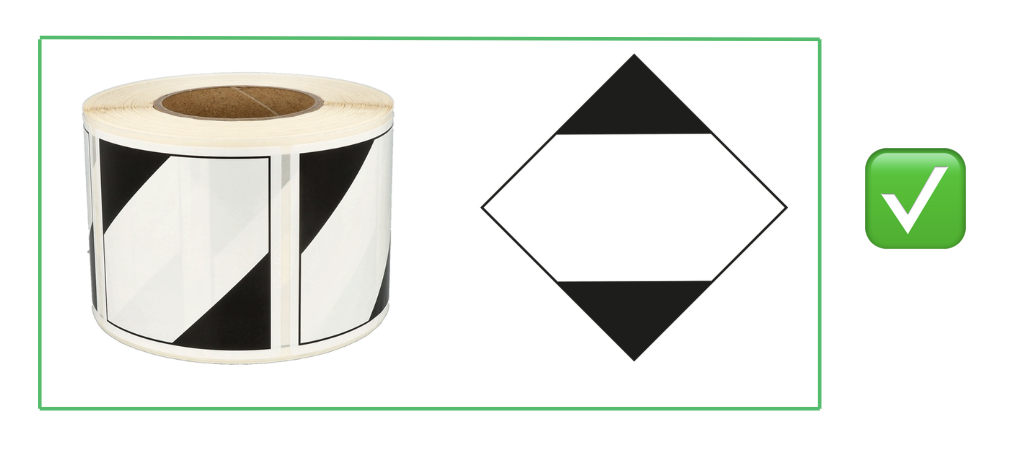
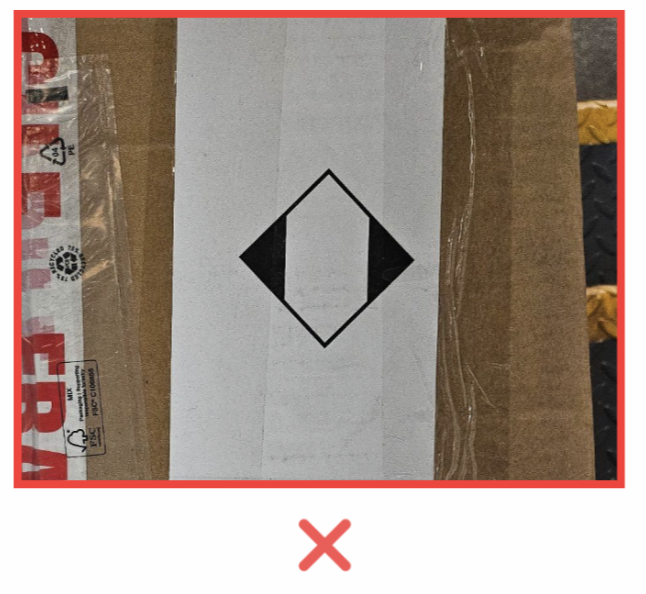
The carrier rejected this package because the marking was printed on paper and taped on.
Keep the marking clean and easy to see. Packages with tape over the marking are rejected.
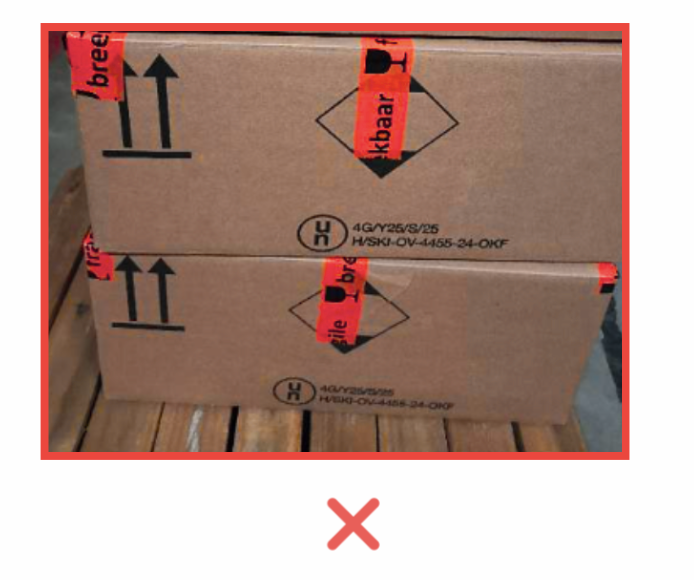
The carrier rejected these packages because tape covered the markings.
Place the marking as a diamond, with the black parts at the top and bottom. Don't turn it into a square.
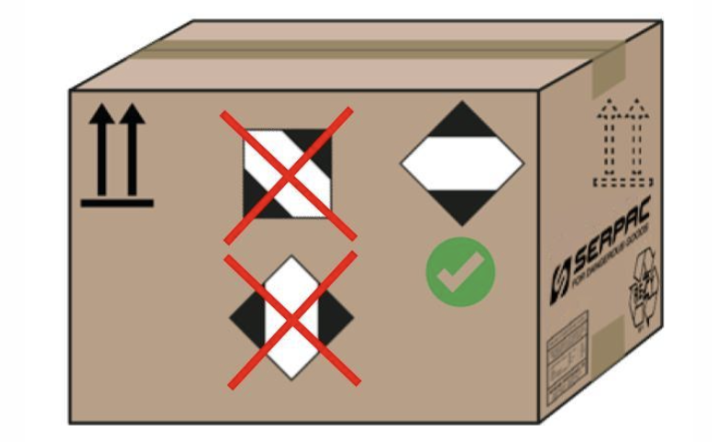
Use the road marking for Limited Quantity, not the air freight markings.
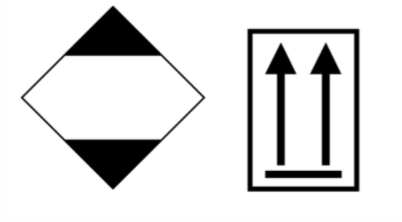
Use this marking.
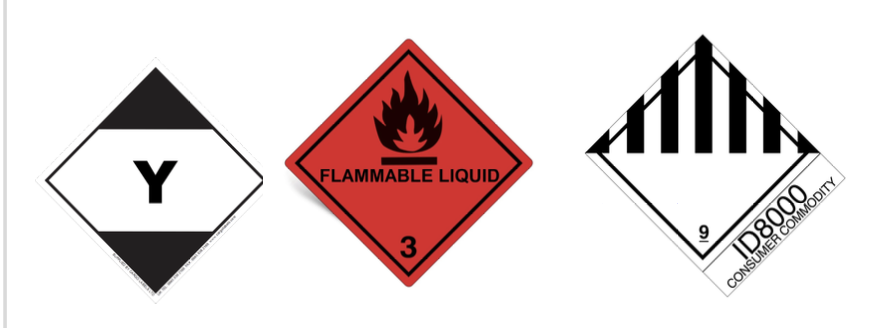
Don't use these air freight markings.
The marking must stand out from the background. Don't put it straight onto black wrapping.
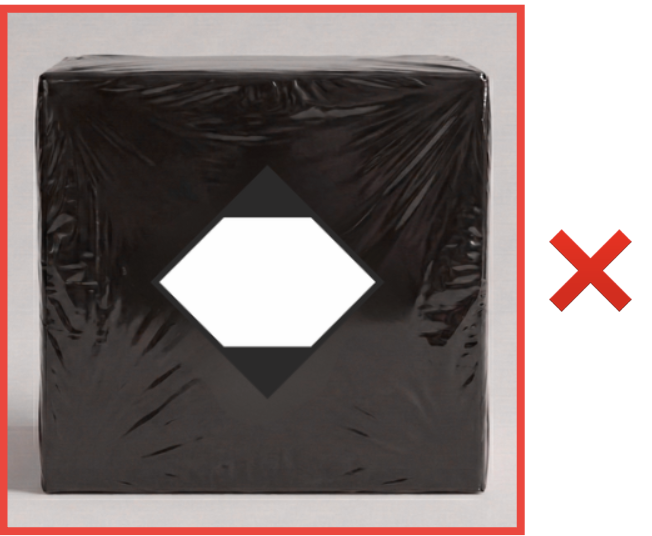
This package was rejected because the border of the marking did not stand out from the black wrapping.
Dangerous goods note
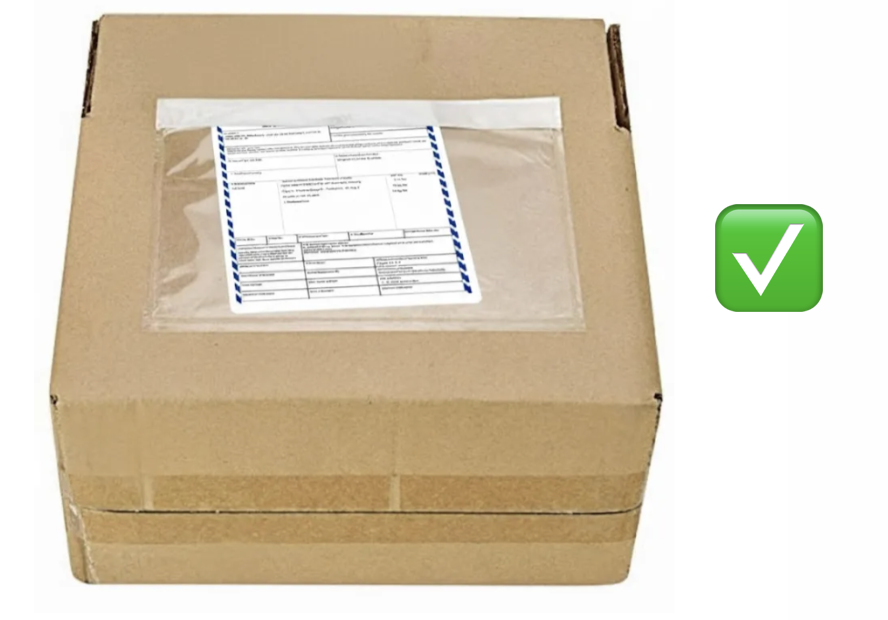
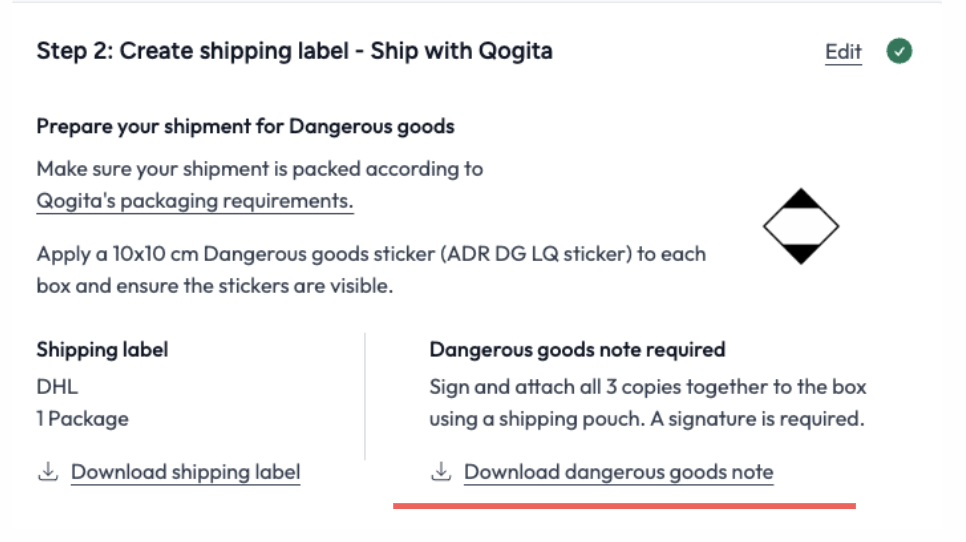
Carriers need a dangerous goods note when the trip includes a ferry. When the seller portal asks for it, download the dangerous goods note from the order, sign 3 copies and attach them in a sealed pouch on the outside of the box. If you ship several boxes in the same shipment, attach the notes to one box only.
Pallets
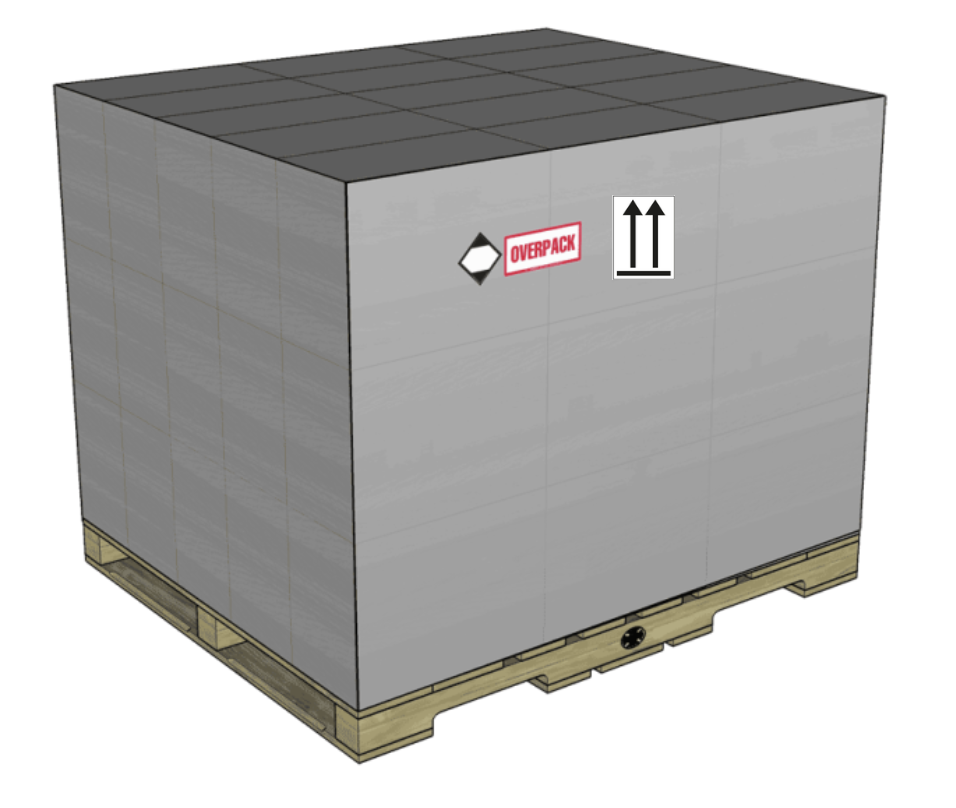
If you wrap several boxes together on a pallet, the outside wrapping needs the Limited Quantity marking, orientation arrows and the word OVERPACK in letters at least 12 cm tall.
Dangerous goods poster
Download this poster and put it up in your packing area, so your team can always check the packing and labelling rules.
Not sure if a product is a dangerous good?
Email logistics@qogita.com before you ship. For general packing rules, see Packaging requirements.