🚀 Getting started
 Your onboarding guide
 Accessing your Qogita seller accountUnderstand your seller portalGet help from Qogita
📦 List your stock
 Upload and manage your price listSet your minimum order value
 Stock list types
 Keep your stock up to dateResponsible Person requirementsSelling electronics
🚚 Your first order
 Fulfil an order
 Packaging requirements
 Shipping dangerous goods
 Regenerate a shipping label
🇬🇧 Selling to the United Kingdom
 Selling to the UK
 Qogita's legal entity and VAT details
 Customs for parcel shipments from Germany
🇺🇸 Selling from the United States
Selling from the United StatesShip your own orders in the United States💶 Get paid
Request your paymentTrack your paymentInvoices and value-added taxGet your supporting documentsGet help with a payment problem⚖️ Claims
Understand a claimDispute a claimClaim costs and returnsKeep your claim rate low📈 Grow
Seller metricsGrowing your businessBulk pricingSelling pre-ordersEnterprise orders

Packaging requirements
These rules apply to every shipment you send through Qogita. They help your orders arrive safely and on time, without being returned.
Packing basics
Use as few boxes as you can without going over the weight limit, and fill every gap so products can't move and boxes don't collapse.
Pack each box to a maximum of 25 kg to avoid carrier surcharges.
Don't ship in factory boxes on their own, because they are often not strong enough for parcel transport. Only use them inside an extra outer box or master carton.
Boxes can be up to 60 by 60 by 60 cm.
Keep boxes and pallets stackable, with flat and stable tops.
Boxes
Boxes must be corrugated, at least double-walled, new and undamaged.
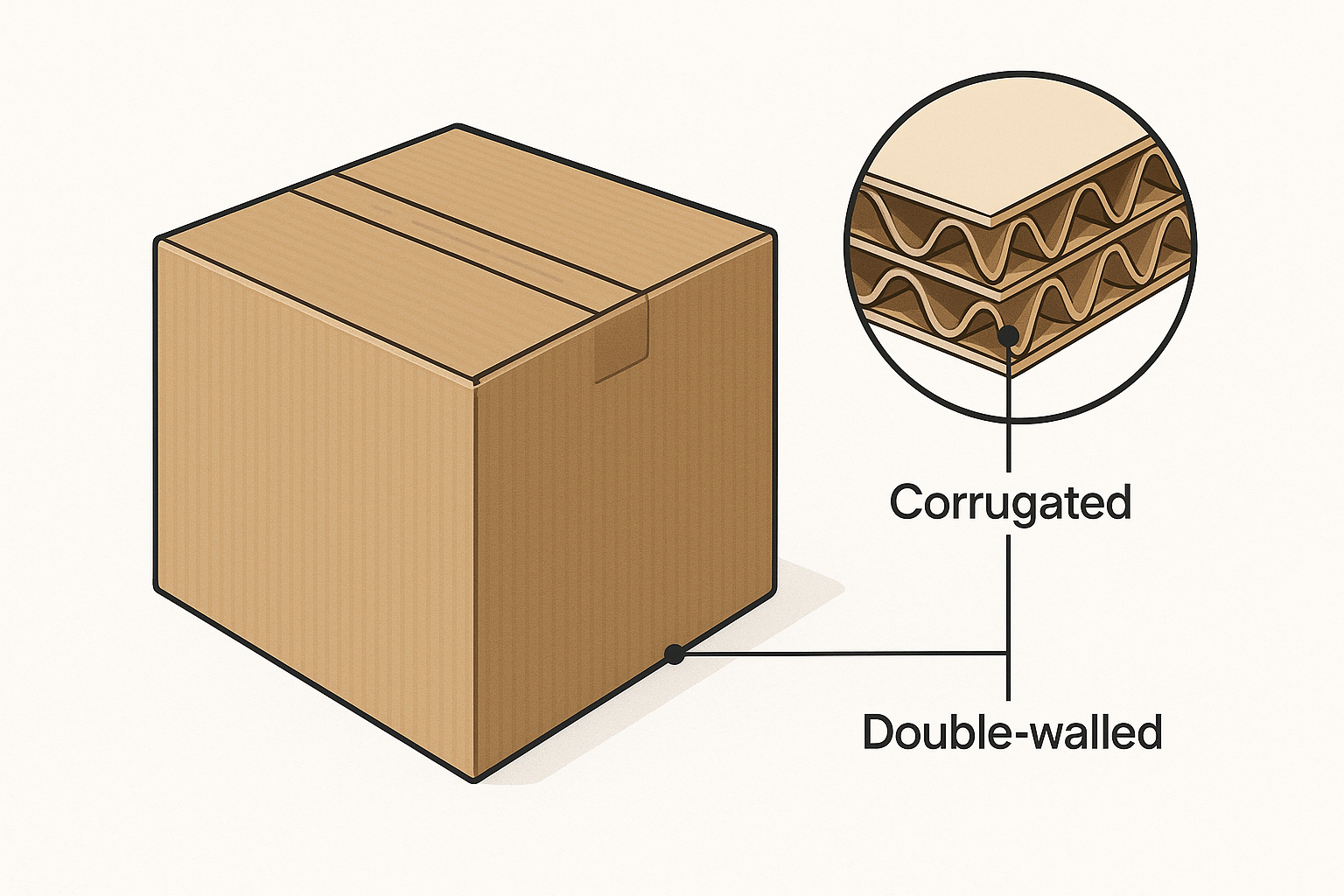
Boxes and tape must not show your own branding, such as your company name, store logo, marketing material, slogans or stickers. Product or manufacturer branding is fine, for example on factory boxes with the original product brand.
Don't wrap boxes in plastic film or tie them with straps or bands. Carrier conveyor belts can't handle them.
Parcel shipments
✅ Do
- Ship in as few parcels as possible
- Pack products upright and tightly
- Wrap fragile items such as glass, pumps and liquids one by one
- Protect products in cellophane so they don't get scratched or torn
- Fill all gaps with filling material
- Split any box over 25 kg into two, unless this makes the products less safe
❌ Don't
- Go over 25 kg per box
- Go over the maximum box size
- Leave empty space inside boxes
- Pack products loosely
To check packing quality, we may drop some boxes from hip height, about 90 cm. All boxes must pass this test.
How to pack a box
- Choose the right box size and cover the bottom and sides with protective material.
- Place the products upright and group them by type or brand. Pack them tightly so they can't move, put loose items in smaller boxes and wrap fragile items one by one.
- Fill all gaps with filling material so nothing can move. See the filling materials below.
- Don't put priced invoices or branding material inside the boxes.
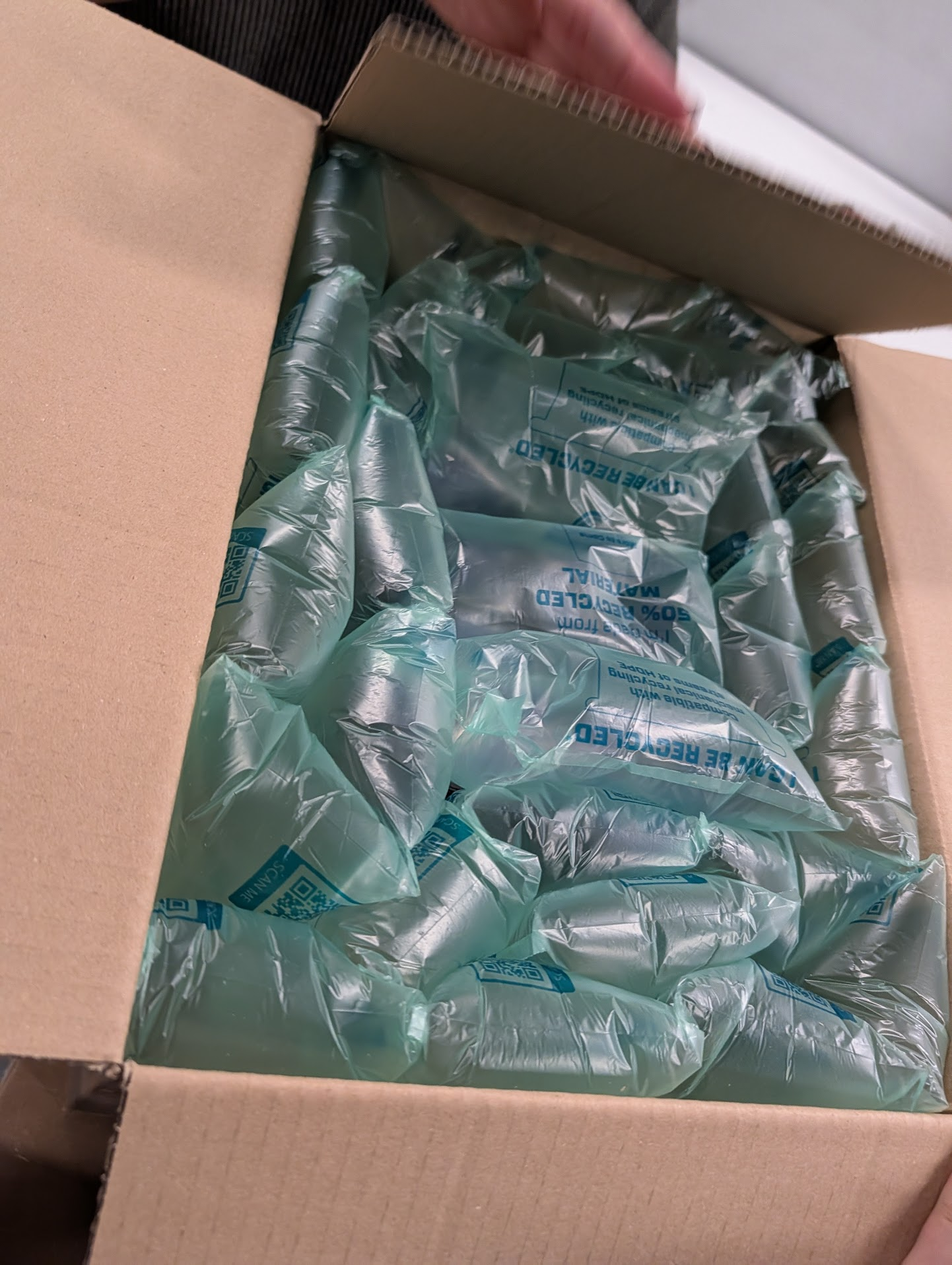
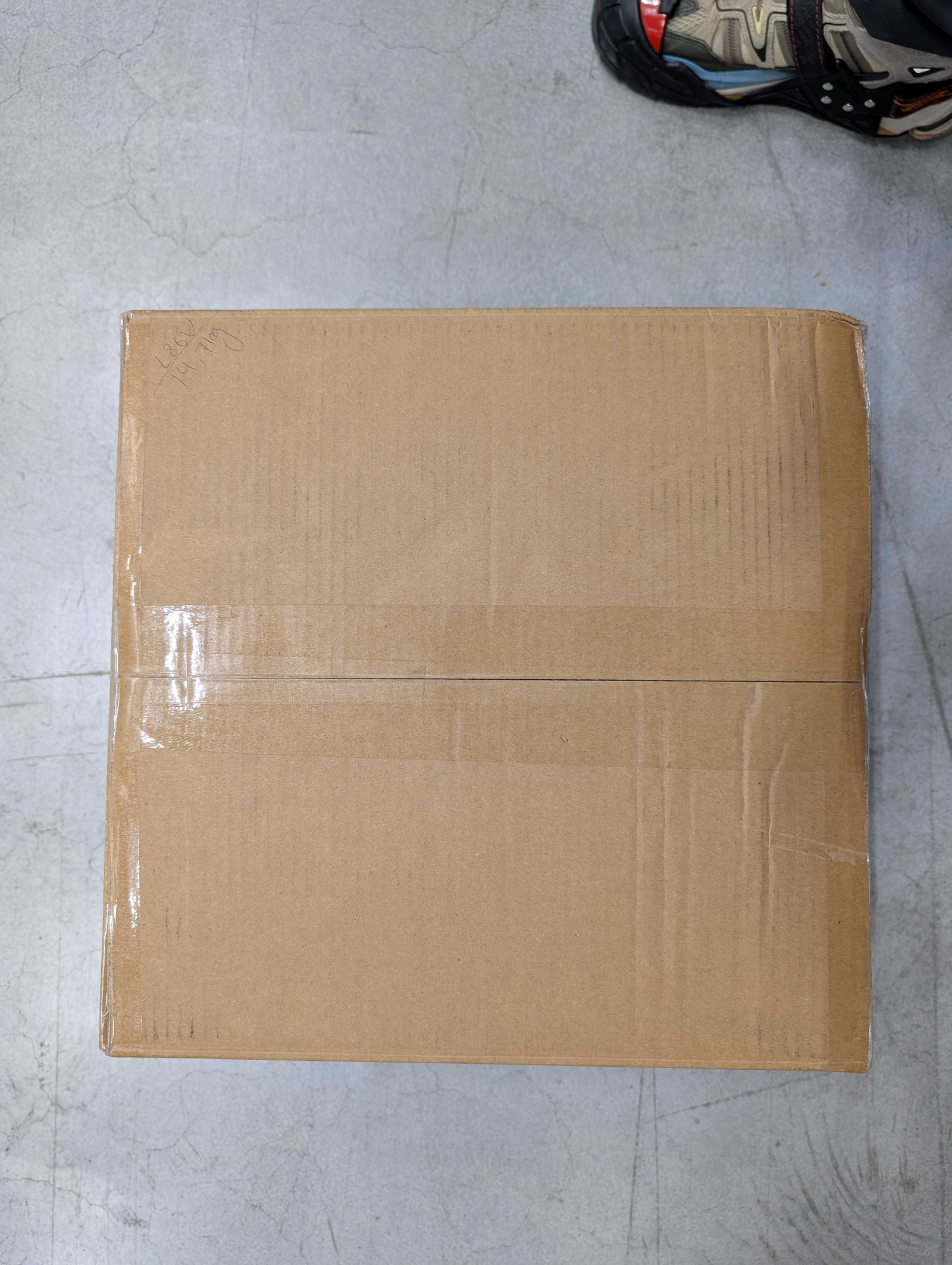
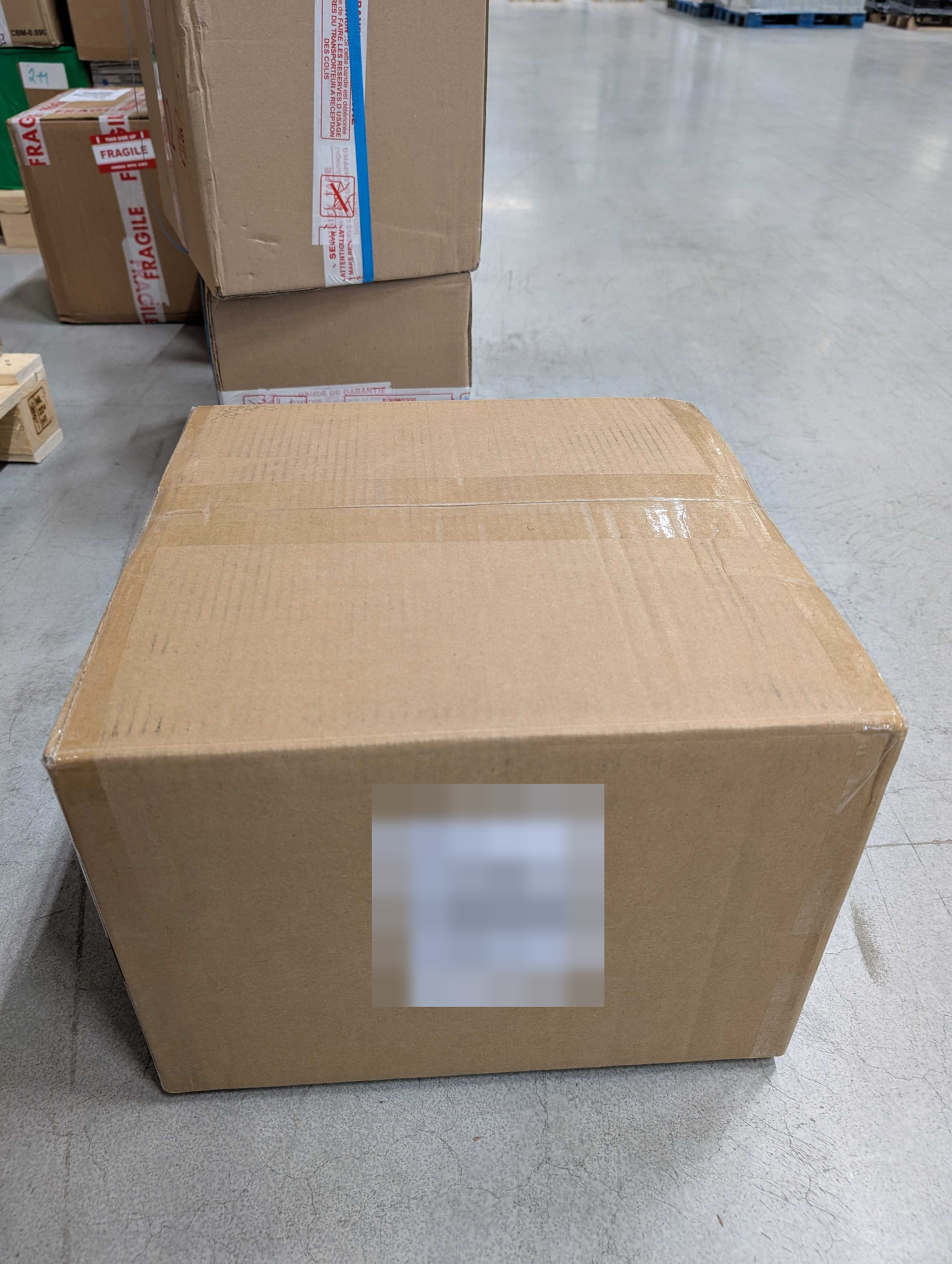
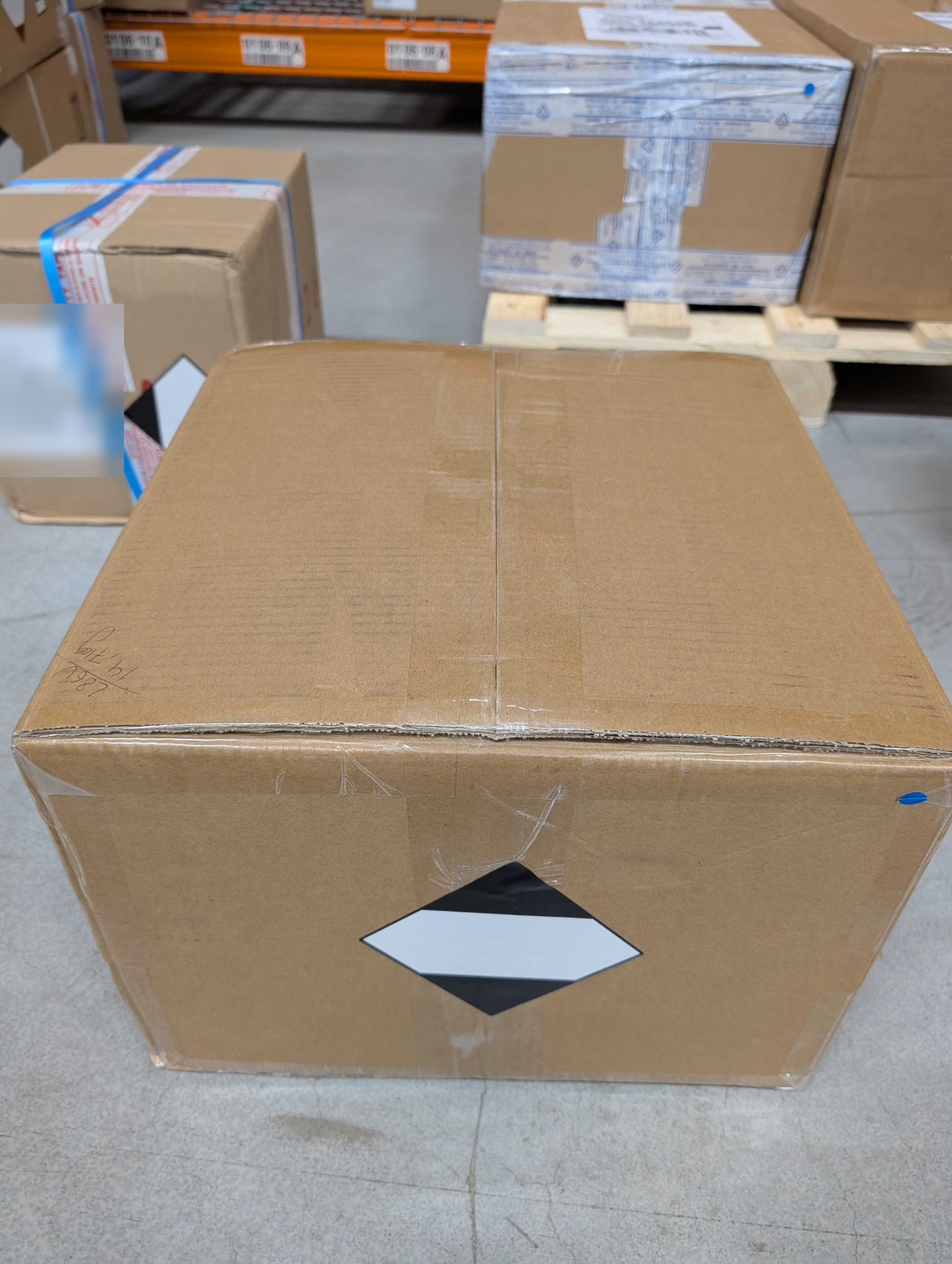
Good packing ✅
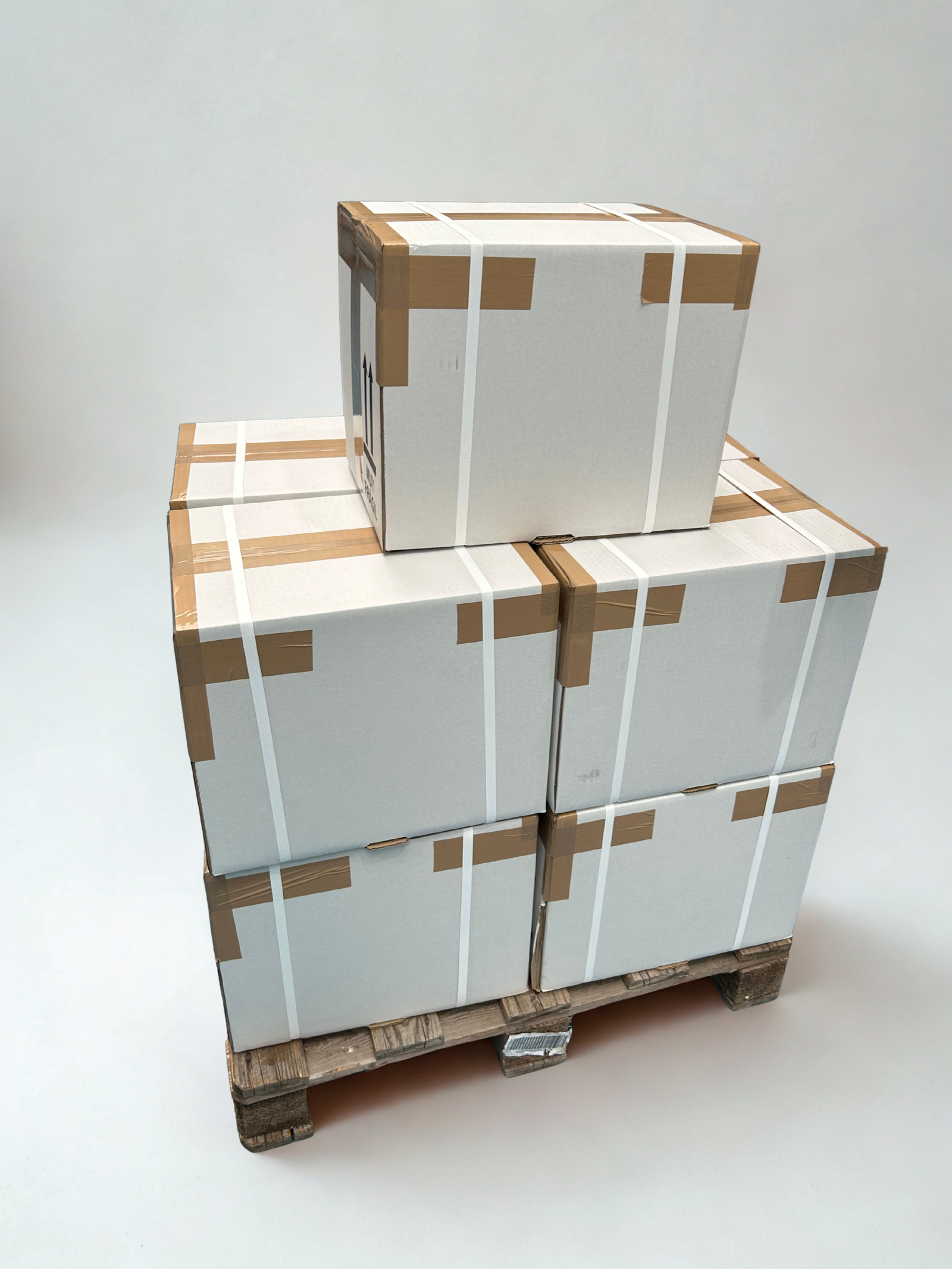
Bad packing ❌
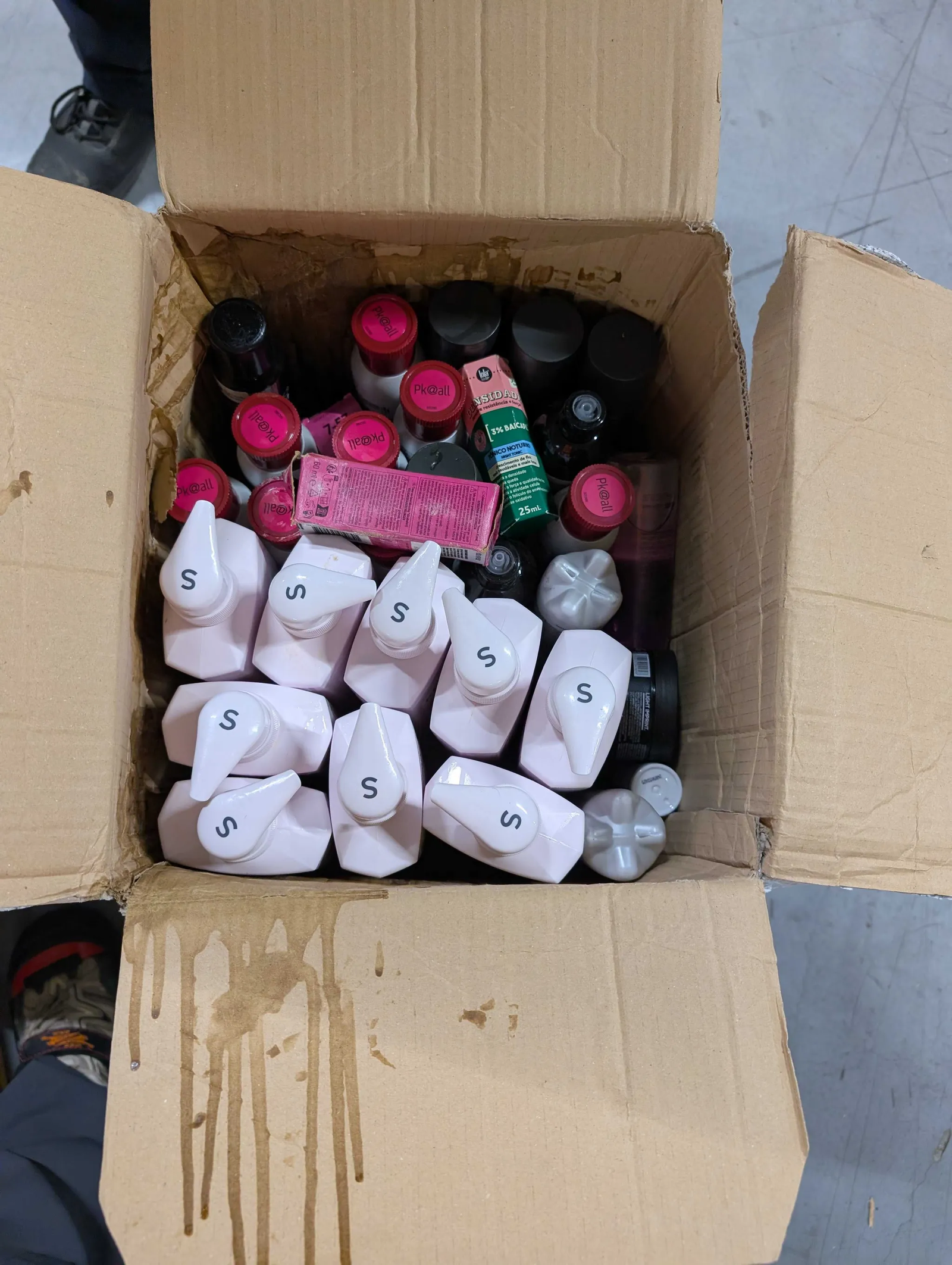
Liquids not wrapped and no dividers. Leaks made the box weak and it collapsed in transit.
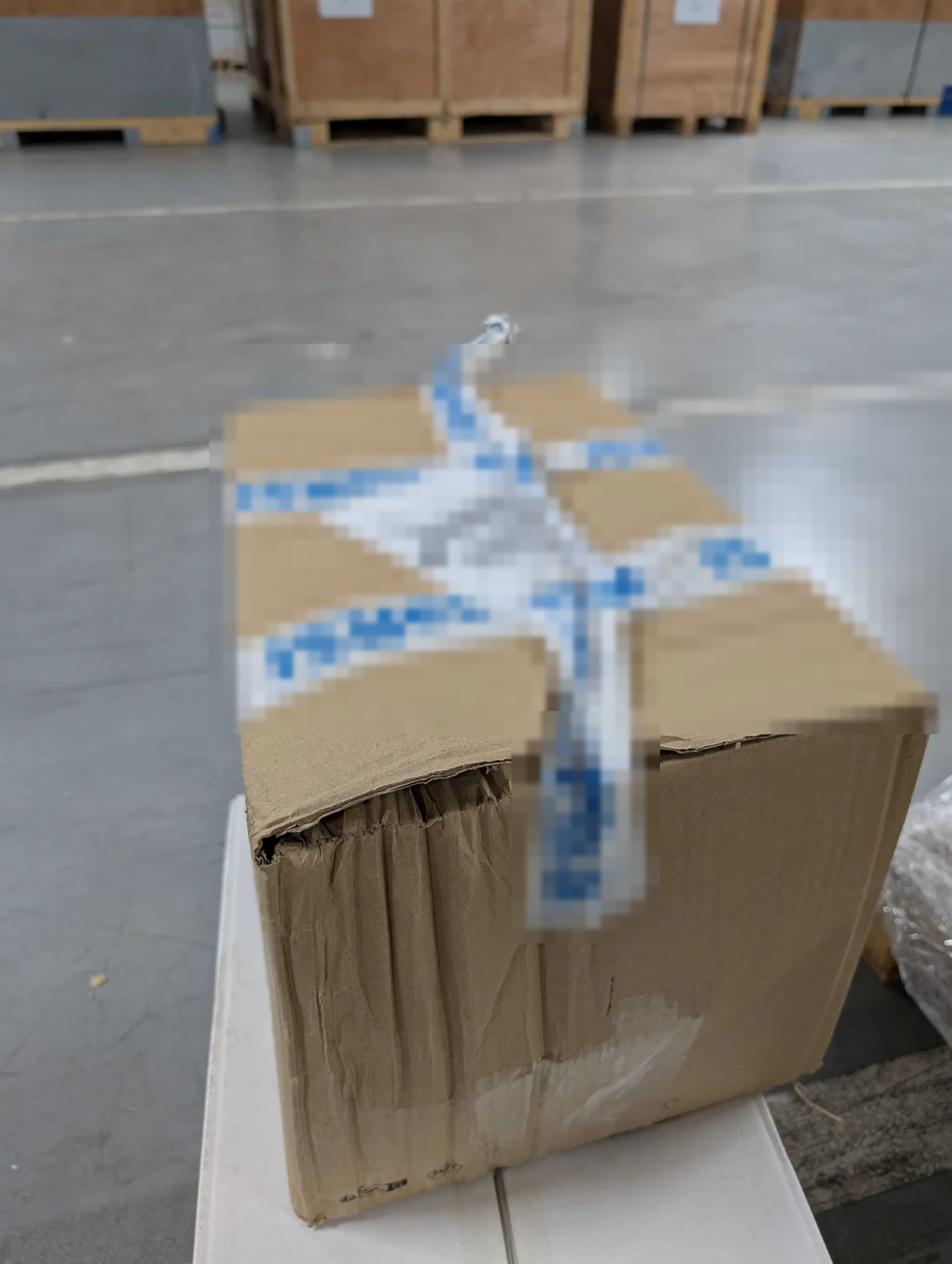
Collapsed box. Not enough tape and the wrong box size left empty space, so the box caved in.
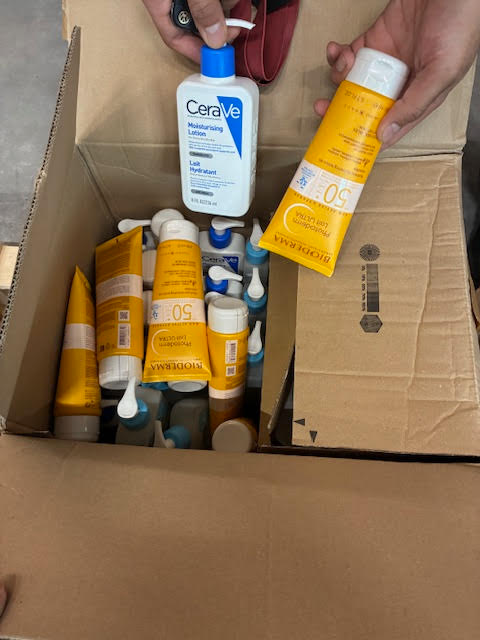
No wrapping and no dividers. Loose tubes and pumps are more likely to leak or break in transit.
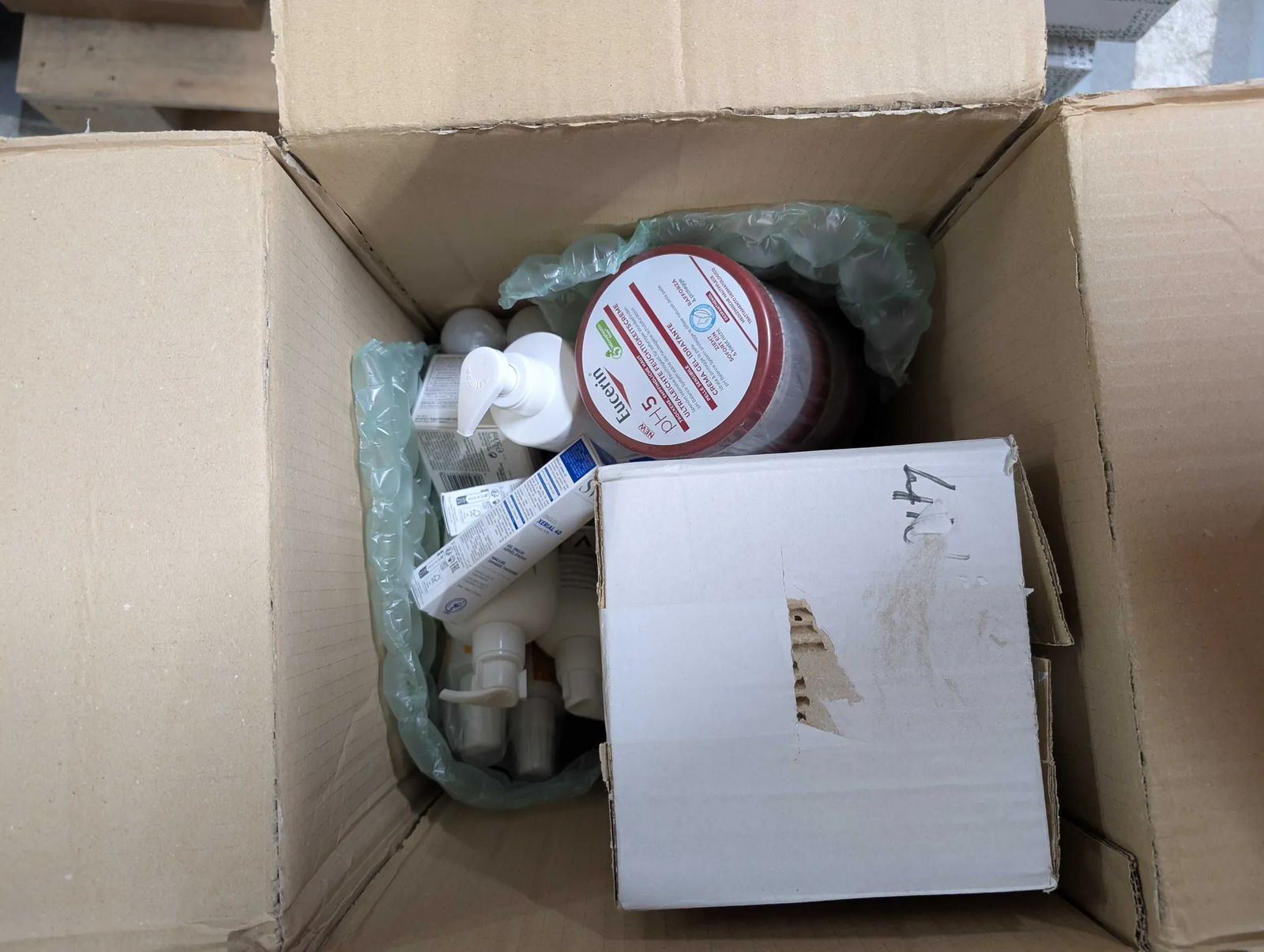
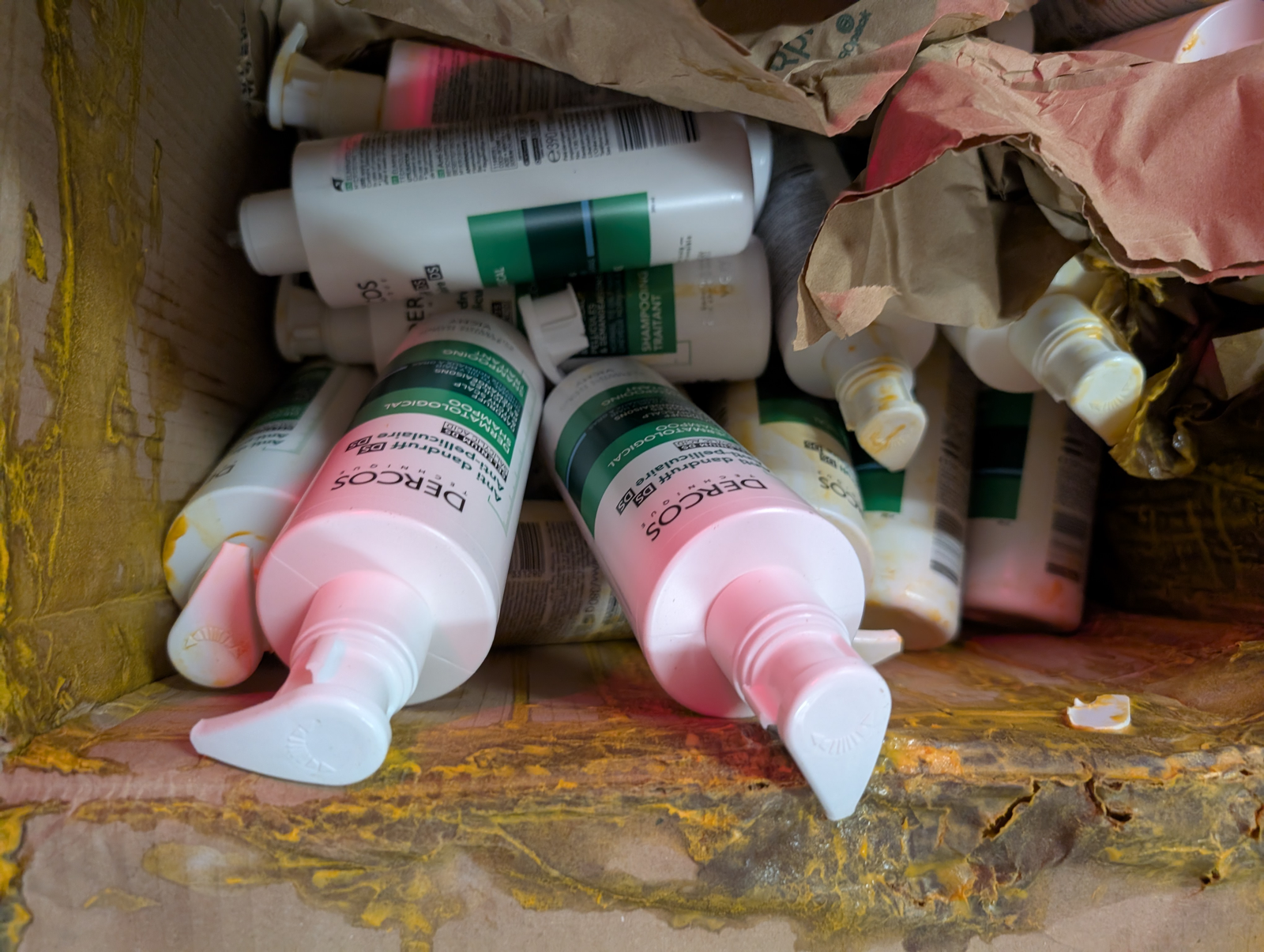
Box too big and badly filled. Items are loose, mixed and unprotected, so they are more likely to leak or get damaged.
Filling materials
Cover the bottom and sides of the box with protective material. Choose it based on how fragile your products are. Bubble wrap, rolled foam and foam sheets all work well.
Material | How to use it |
Bubble wrap | Wrap each product on all sides with 3 to 4 layers. |
Rolled foam | Fold and wrap 3 to 4 layers tightly around each product. |
Thick foam sheets (1 cm or more) | Cut sheets to fit the bottom and sides of the box. |
Foam peanuts | Fill the box right to the top, with no empty space between the peanuts. |
Cardboard filling | Pack cardboard pieces tightly up to the top of the box, with no gaps. |
Air bags | Place air bags on top and in the gaps. Make sure they are fully filled and won't get pierced in transit. |
Pallet shipments
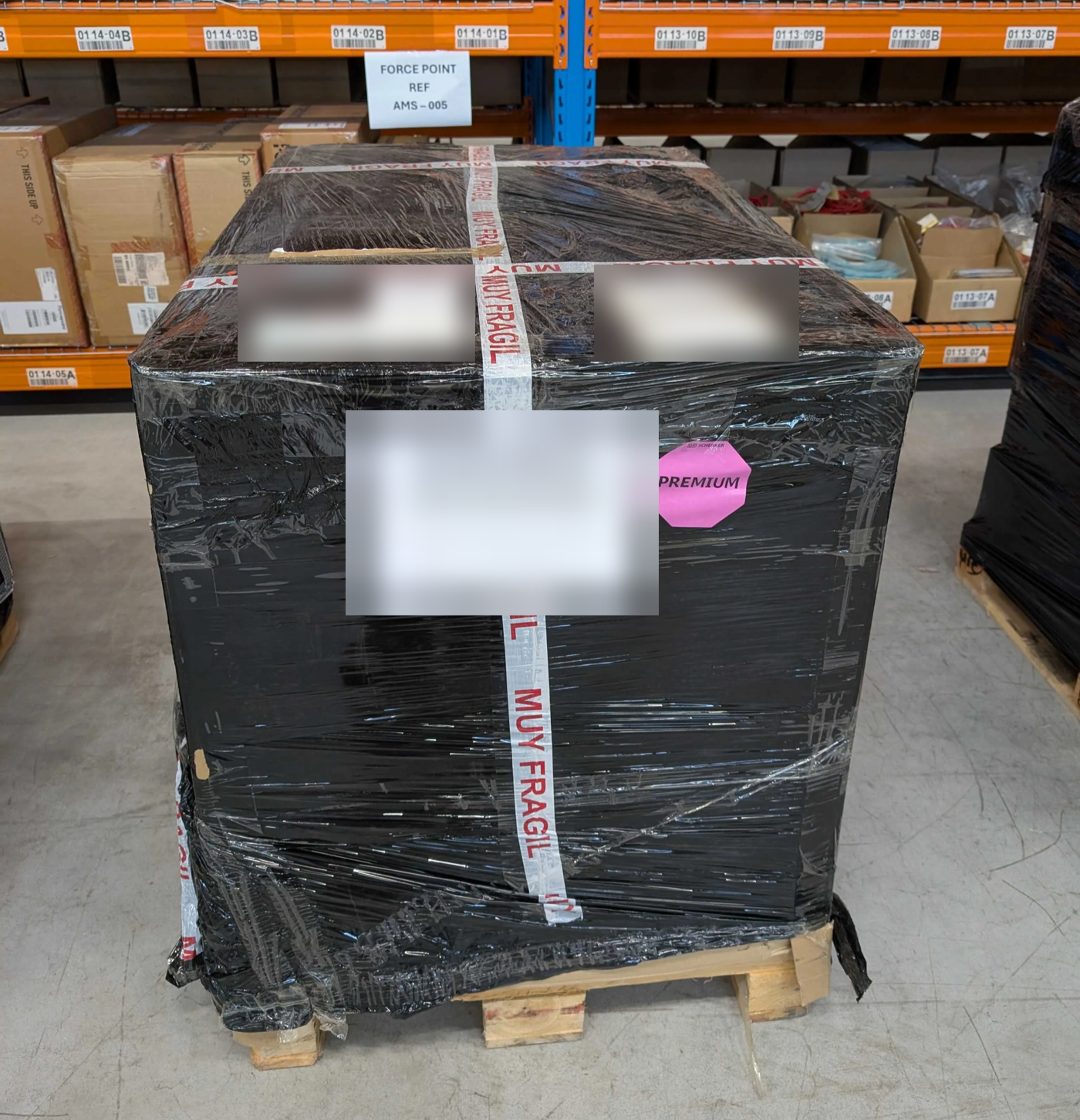
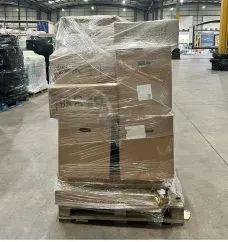
Use Euro pallets of 120 by 80 cm. Each pallet must be at least 120 cm high or weigh at least 150 kg, and no more than 150 cm high.
Put heavier boxes at the bottom, with enough filling inside so they don't collapse.
Wrap the pallet in stretch or shrink wrap so boxes can't move in transit. Any colour is fine, as long as the whole load is wrapped and stable.
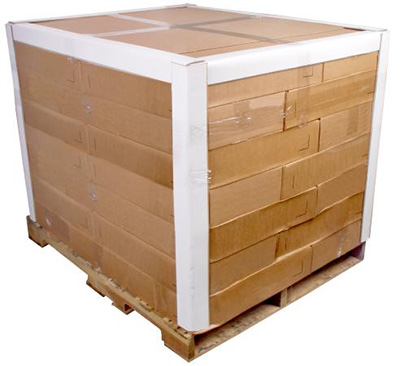
Keep the top flat so another pallet can be stacked on it, with no boxes sticking up. Keep all boxes inside the edges of the pallet. For boxes with odd shapes, use pallet corners made of cardboard or plastic to keep the load stable and the top flat.
Good pallets ✅
Bad pallet ❌
Labels and stickers
Each box needs one shipping label. Each pallet needs one shipping label, on the outside of the stretch wrap.
If a box contains liquids, add orientation arrows that show which side is up. Put them on two opposite sides of the box.

Dangerous goods
If your order contains dangerous goods, such as perfumes or aerosols, extra rules apply for declaring, packing and labelling them. See Shipping dangerous goods.
Enterprise orders
For orders that need enterprise packaging, also see Enterprise orders.